Many home service companies are using AI.
Some are using it to write replies to reviews. Some are using it for emails, ads, call summaries, job descriptions, follow-up texts, or scheduling help. That makes sense. Most owners are already buried in work, and anything that saves time gets attention.
But AI has one big problem.
It does not know when it is wrong.
That is what makes it both useful and risky. It can write something that sounds clean, confident, and professional, but still be completely off. It might promise a same-day appointment when your schedule is packed. It might explain a warranty in a way that does not match your actual policy. It might write a reply to an angry customer that sounds nice, but misses the real issue.
And once that message goes out, the customer does not blame the software.
They blame you.
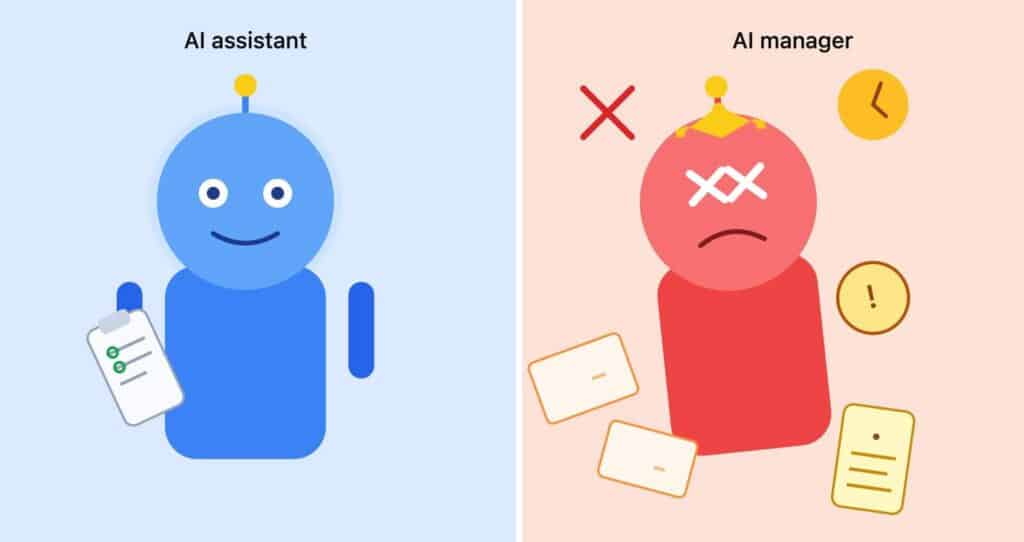
That is why AI should not be treated like a person who runs part of the business. It should be treated more like a new office assistant who is fast, eager, and sometimes very wrong. You can give that person work, but you would not let them quote prices, handle complaints, or speak for the company without checking what they are doing.
The same rule applies here.
AI can help draft the message. A real person needs to decide if the message is true, useful, and something the company can stand behind.
Take review replies as an example. A customer leaves a one-star review because the technician was late and nobody called them. AI can write a response in five seconds. It may say something like, “We are sorry for your experience and will use this as a training opportunity.”
That is not terrible, but it is not very good either.
It sounds like a company trying to get past the complaint, not a company trying to understand what happened. A better response needs context. Was the technician actually late? Did dispatch forget to send a text? Did the customer have the wrong arrival window? Is there already a manager looking into it?
AI does not know any of that unless someone tells it.
This is where the owner, manager, or office lead still matters. They know how the company handles missed windows. They know what can be promised. They know whether the customer deserves a call, a refund, a credit, or just a clear explanation.
AI can help with the wording. It cannot make the judgment call.
The same thing happens with ads. Ask AI to write an ad for a plumbing company, and it may give you something that sounds fine at first glance. It will say: Fast service, trusted technicians, and affordable rates. Call today.
The problem is that every other plumbing company can say the same thing.
A human has to know what makes the company different. Maybe your team is strong at older homes. Maybe you are better at emergency jobs. Maybe your office answers the phone after hours when competitors do not. Maybe your technicians are trained to explain the repair before they touch anything.
That is the kind of detail that makes the message worth reading.
AI can polish a message, but it cannot magically know the truth of your business.
This matters because home services are built on trust. People are not buying a shirt online. They are letting someone into their home. They are trusting a company with their furnace, roof, wiring, plumbing, locks, lawn, garage door, or pest problem.
That customer wants speed, but they also want confidence.
A sloppy AI message can chip away at that confidence fast. It may not look like a huge mistake in the moment, but small mistakes add up. A strange reply to a review. A service reminder that sounds cold. A follow-up email that promises the wrong thing. A hiring ad that attracts people who are not a fit.
None of these are dramatic on their own. Together, they make the company feel less careful.
That is the real risk.
AI does not have to destroy your business to hurt it. It only has to make your communication a little less accurate, a little less personal, and a little less trustworthy.
Used the right way, though, AI can be a great tool.
It can turn rough notes into a cleaner service summary. It can help your office team respond faster. It can help a manager write a better job post. It can pull common themes from reviews. It can help draft a follow-up email after an estimate is sent. It can take the blank page away, which is often half the battle.
But the person using it still has to know what good looks like.
Before anything important goes to a customer, someone should read it and ask a few basic questions. Is this true? Does this sound like us? Are we promising something we can actually do? Would I say this to the customer if they were standing in front of me?
That last question is usually the best filter.
If you would not say it to a customer face-to-face, do not let AI say it for you.
The companies that get the most from AI will not be the ones that turn it loose and hope for the best. They will be the ones that give it clear instructions, feed it real details, and review the work before it leaves the building.
AI can move fast.
Your job is to make sure it does not move stupid.
For a home services company, that is the right way to think about it. Let AI help with the first draft. Let it organize messy information. Let it speed up the little tasks that slow everyone down.
But keep a human in charge of the final call.
Because the tool may write the words, but your company owns the result.